
















Introduction
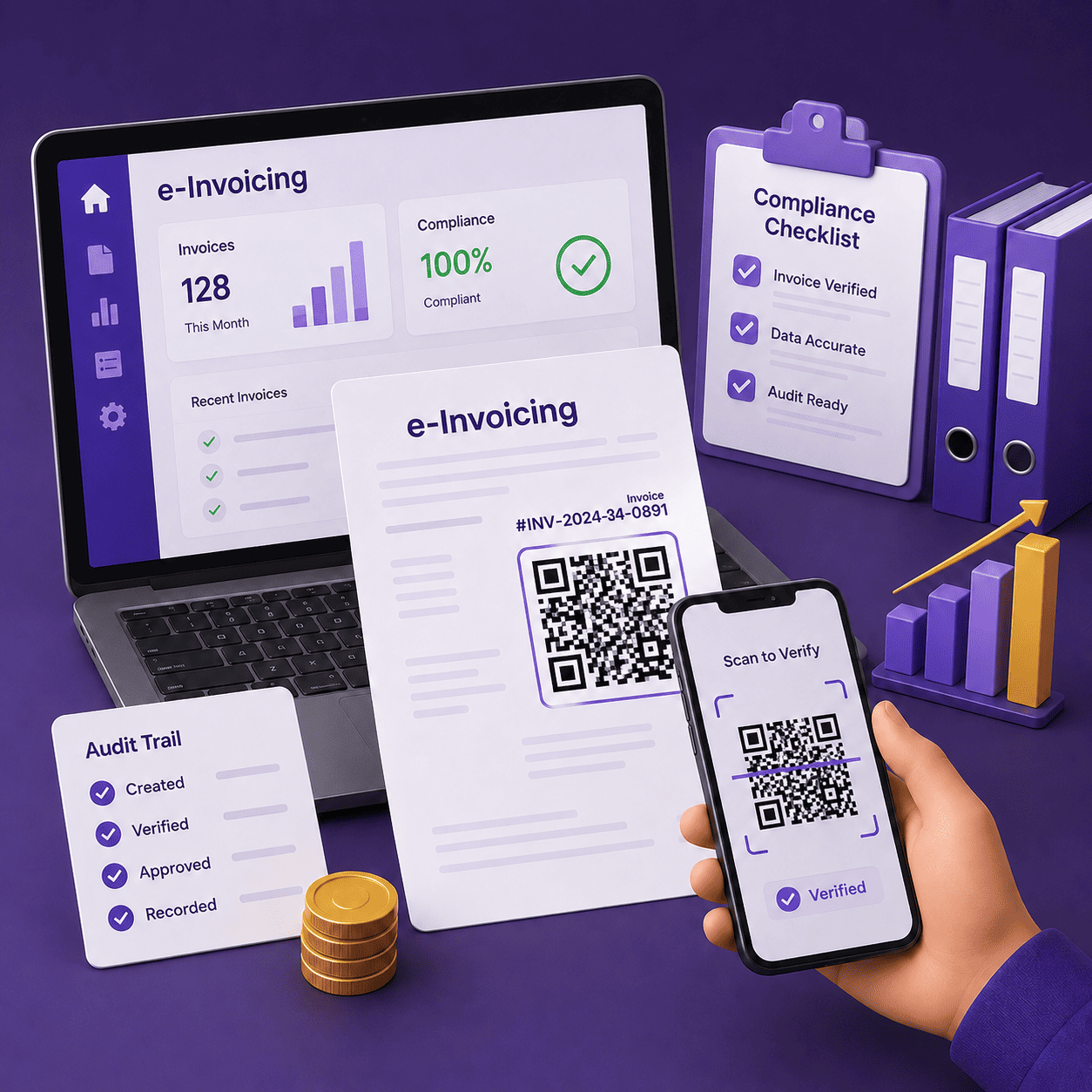
The change from paper-based billing to electronic billing, also known as e-invoicing, has completely changed how companies around the world work in this digital age. e-invoicing has not only simplified processes and cut costs, but it has also become a strong tool for fighting fraud and making global trade more open and honest when it comes to money. This article talks about how e-invoicing is making a big difference in these areas.
Combating Fraud with e-Invoicing
Invoice fraud has been a problem in global trade for a long time, and it often costs businesses a lot of money. Fraudulent activities like copying invoices, making false information on them, and making changes without permission can happen with traditional paper-based billing systems. e-invoicing solves these problems in a number of ways:
- 1
Secure Data Transmission
Encryption and secure pathways are used by e-invoicing systems to send data. This makes sure that invoice data cannot be changed or stolen while it is being sent. This makes hacking and getting in without permission much less likely.
- 2
Authentication and Verification
Digital signatures and certificates are often needed by e-invoicing tools to make sure that the people who are using them are who they say they are. This makes sure that only authorized parties can send and receive bills, which lowers the chance of scam.
- 3
Audit Trails
All transactions can be scrutinized in great depth by e-invoicing tools. These records show timestamps, what users did, and changes that were made to bills. This makes the path of each transaction clear and easy to follow. Because of this, scams can be found and stopped more easily.
Enhancing Financial Transparency
Businesses, governmental bodies, and other interested parties need to be able to see how money is being spent so that there is trust, compliance, and speed in global trade. A big part of how e-invoicing improves financial openness is by:
- 1
Real-Time Data Access
With e-invoicing, businesses can get to billing data right away. This speed makes it easier to report finances correctly and on time, which helps people make better decisions and use their resources more wisely.
- 2
Standardization
Most e-invoicing systems follow international standards and forms. This makes sure that billing methods are consistent and fair. Standardization makes it easier to do business across borders and cuts down on confusion and mistakes.
- 3
Regulatory Compliance
More and more governments and regulatory bodies around the world are requiring the use of e-invoicing to improve tax compliance and cut down on tax fraud. Businesses can make sure they follow the law and avoid fines by using e-invoicing tools that are compatible with these rules.
- 4
Enhanced Collaboration
e-invoicing makes it easier for business partners to work together by giving them a single place to send and receive invoices. Because everyone can see the same information and check deal details on their own, this openness builds trust and makes business relationships stronger.
Case Studies and Success Stories
Several countries and organizations have successfully implemented e-invoicing systems, witnessing remarkable improvements in fraud reduction and financial transparency. For instance:
- 1
Mexico
The introduction of mandatory e-invoicing, known as CFDI, in Mexico has led to a significant increase in tax revenues and a reduction in tax evasion. The system's ability to track and verify every transaction has enhanced transparency and compliance across the board.
- 2
European Union
The European Union's directive on e-invoicing in public procurement has standardized invoicing practices across member states, leading to greater transparency, reduced administrative burdens, and cost savings for businesses.
Conclusion
e-invoicing is proving to be a game-changer in the realm of global trade, offering robust solutions to longstanding issues of fraud and financial opacity. By leveraging technology to secure, standardize, and streamline invoicing processes, businesses can safeguard their operations, enhance compliance, and build stronger, more transparent relationships with their trading partners. As e-invoicing continues to gain traction worldwide, its role in fostering a more transparent and fraud-resistant global trade environment will only grow more critical.
Sources


Want to implement AI in your operations?
Download our step-by-step implementation playbook.